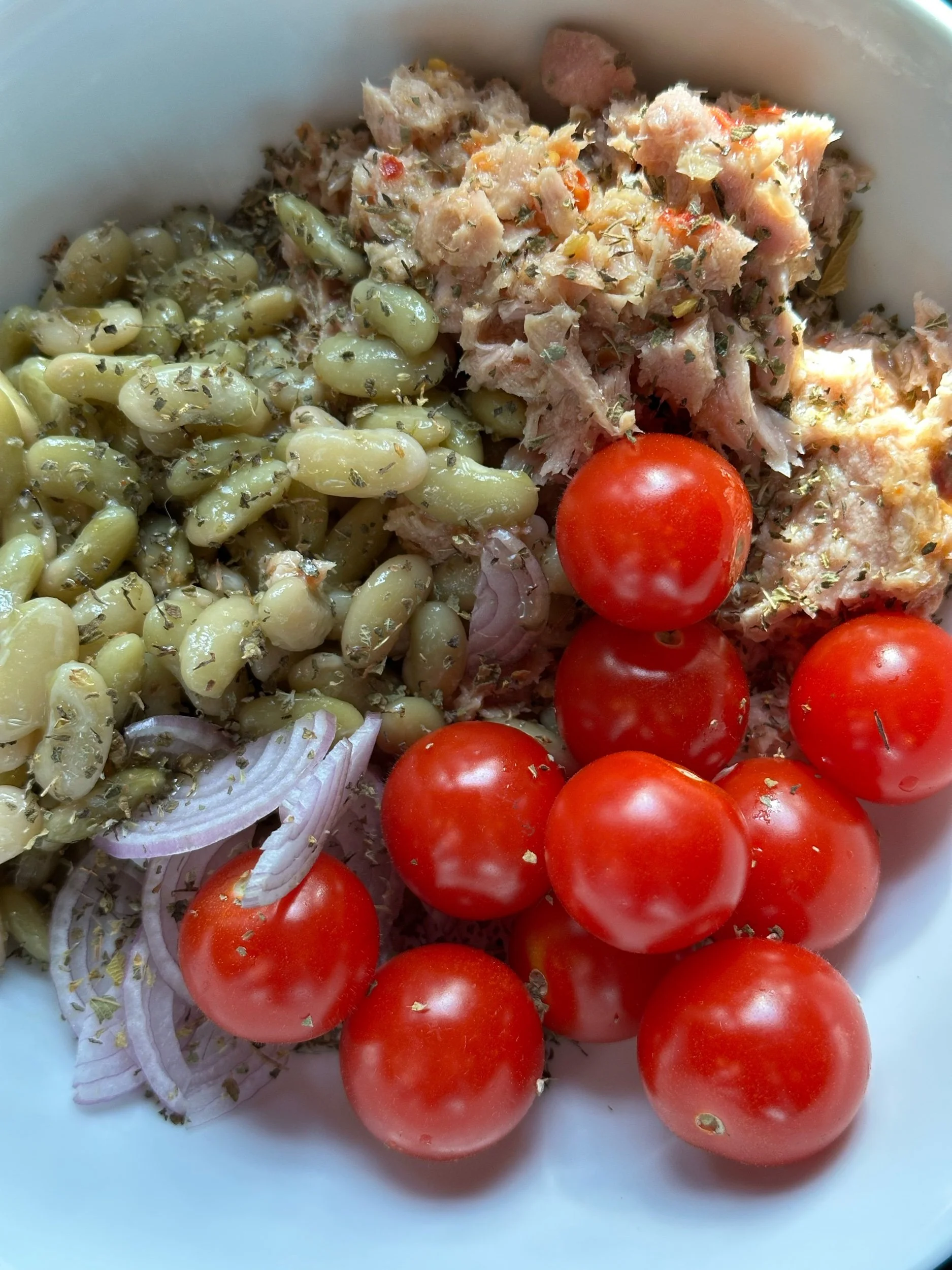
Alice Water’s Seasonal Minestrone
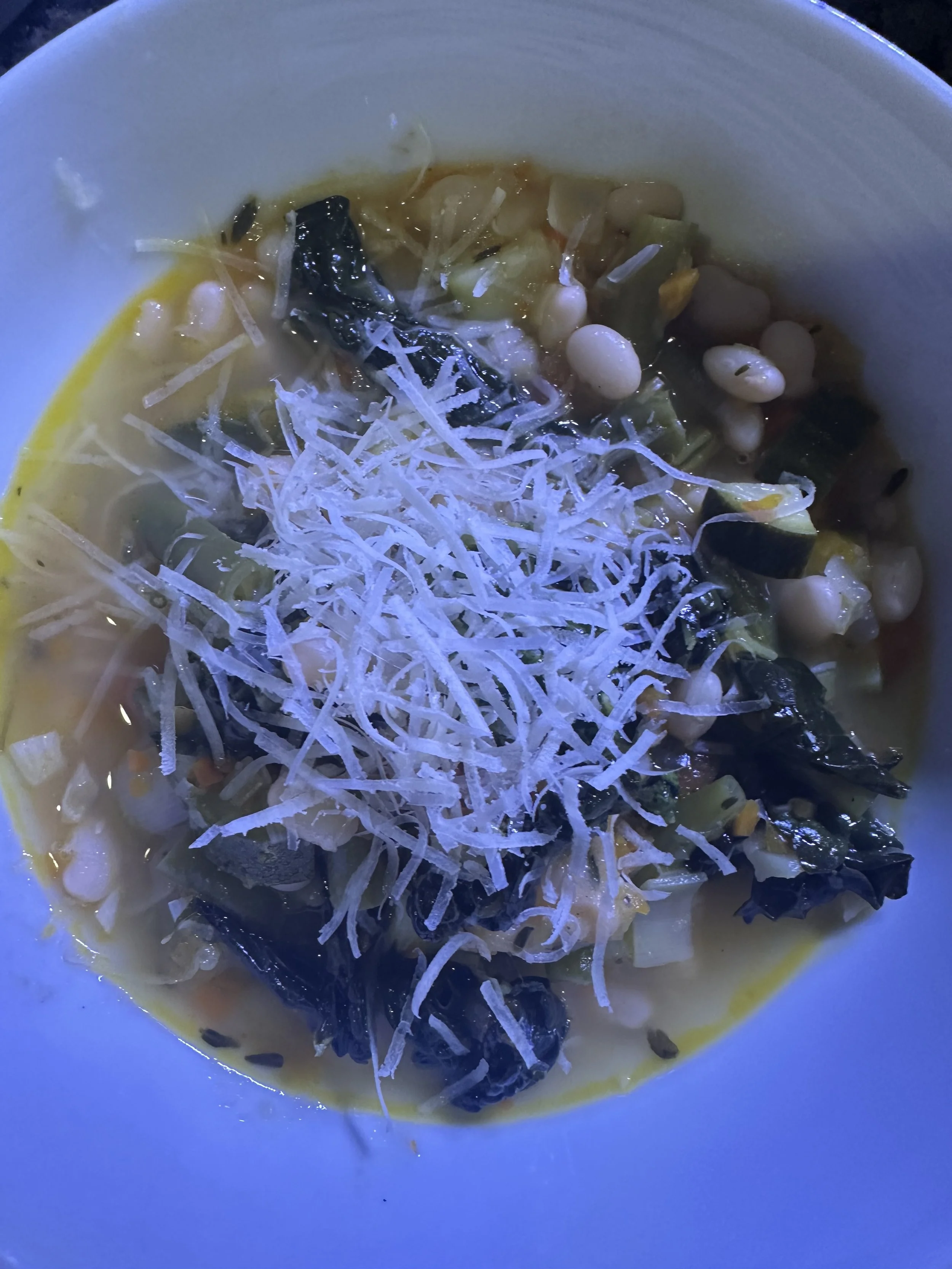
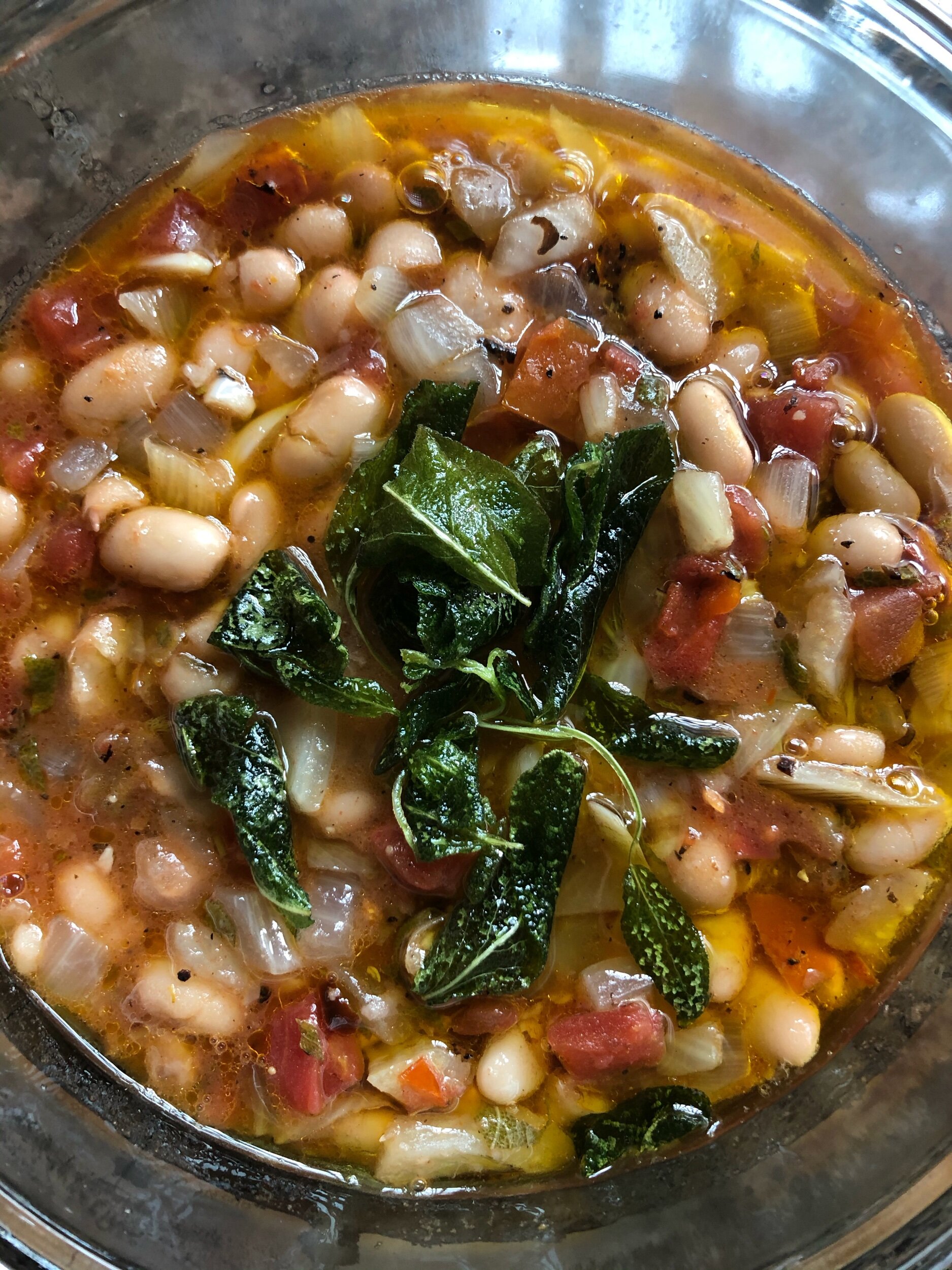
This is a beautiful example of culinary frugality. Beans, seasonal vegetables, herb stems, Parmesan rind, and pesto all reflect traditional whole-food cooking that minimizes waste while maximizing nutrition and flavor. This soup is even better the next day. Like many bean soups, flavors deepen overnight as the broth and aromatics meld together. I often will make it in the mid afternoon, and then leave it on the stove top for the flavors to meld until dinner time. This is tweaked from a collection of Alice Water recipes.
QUANTITY AND INGREDIENTS
BEANS
1 cup dried cannellini or other white beans (my personal favorite is Alubia Blanca beans from Rancho Gordo)
Alternatively, although less preferred, canned beans, drained and rinsed
1-2 Tbsp olive oil
1/4 medium size onion with root intact
1 bay leaf
1 garlic clove, crushed
1 small carrot
1 large sprig of thyme
1/2-1 tsp kosher salt (add 1/2 way through cooking)
**reserve 1 cup of cooking water**
SOUP
¼ cup olive oil
1 large onion, finely chopped
2 large carrots, peeled and finely chopped or diced small
4 garlic cloves, coarsely chopped
5 thyme sprigs
1 large rosemary sprig
2 large pinches peperoncino
1 bay leaf
kosher salt
parmesan rind 2x1 inch
2 teaspoons kosher salt (use Seasonello if you desire more salt)
1 small leek, white part only, diced
½ pound green beans, trimmed and cut into 1-inch lengths
1 medium zucchini, cut into small dice
2 medium tomatoes, peeled, seeded and chopped OR 14 ounce can fire-roasted tomatoes with juices
2 cups kale coarsely chopped
SEASONING AND FINISHES
Seasonello, for seasoning
squeeze of fresh lemon to taste
grated Parmesan cheese, for serving
prepared Pesto, for serving
PREPARE YOUR MIS EN PLACE
1. Read and reread the recipe. Divide tasks, amongst team members.
2. Gather all your ingredients and necessary equipment.
3. Prep all the wet and dry ingredients in separate bowls in preparation for cooking.
4. Cooking of your beans should be your first step. That will take the longest.
**INSTRUCTIONS**
COOKING BEANS
1. Spread beans on a sheet pan and remove pebbles or broken beans. Cover with water, bring to a boil for 2 minutes. Turn off heat, cover, and let sit 1 hour. Drain and rinse. This will be done in advance of the Teaching Kitchen class.
If you don’t soak: they’ll still cook — just expect ~20–30 minutes longer.
2. Add soaked (or unsoaked) beans to a pot and cover with 2 inches of fresh water. Add 1–2 Tbsp olive oil (reduces foaming), aromatics (1/4 onion with root intact, a bay leaf, a garlic clove, a small carrot, and a sprig of thyme). Bring just to a simmer, then cook low and slow. Soaked beans will take around 45- 60 minutes, unsoaked 60-90 minutes. Check occasionally and add hot water if the beans aren’t submerged. Try not to stir much (tip the pot and swirl instead). Around 1/2 way through cooking add kosher salt. Simmer until tender (not mushy). Drain, **reserving 1 cup of cooking water** and remove aromatics. Do not rinse the beans. Set aside.
MAKING SOUP
3. Heat the olive oil in a large pot over medium heat. Add the onion and carrots and cook for about 10 minutes, or until onion is translucent. Add the garlic, thyme, rosemary, bay leaf, peperoncino, and salt. Reduce heat to medium-low and cook, stirring often, for 5 minutes longer.
4. Add 3 cups water AND add the cup of reserved bean water. Add the Parmesan rind and bring to a low boil. Reduce to a gentle boil/high simmer. Add the leek and green beans. After 5 minutes, add the zucchini and tomatoes. After 15 minutes, add the spinach and beans and cook for 5 more minutes. Season with Seasonello and squeeze of lemon to taste.
5. Remove the bay leaf and any herb stems, if necessary. Serve in bowls, each garnished with grated Parmesan cheese and freshly prepared pesto.
TECHNIQUE TIPS
1. Cook beans gently, not aggressively. A slow simmer keeps beans creamy and intact. Rapid boiling tends to split skins and create uneven texture. Salt beans midway through cooking. This seasons the beans internally while still allowing them to soften properly. Save the bean cooking liquid. That starchy, flavorful broth adds body and richness to the soup without needing cream or excess fat.
2. Build flavor in layers. The onions, carrots, garlic, herbs, and Parmesan rind each contribute depth. Don’t rush the sauté step — this is where the soup develops its soul.
3. Use a Parmesan rind if possible. It quietly infuses umami and richness throughout the broth in a way grated cheese alone cannot.
4. Keep vegetables distinct. Add zucchini and tomatoes later so they stay vibrant and don’t dissolve into the soup.
5. Season at the end with acid. A squeeze of fresh lemon brightens the entire pot and balances the richness of olive oil, beans, and Parmesan.
6. Pesto is not just garnish here. Stirring a small spoonful into each bowl transforms the soup from rustic to deeply aromatic and restaurant-worthy.
⸻
INGREDIENT TIPS
1. Rancho Gordo beans truly make a difference. Fresh, high-quality dried beans cook more evenly and have a creamier texture than older grocery-store beans. Cannellini or Alubia Blanca beans provide creamy texture while still holding shape. Great Northern beans also work well.
2. Leeks create gentle sweetness and a softer allium flavor than additional onion would.
3. Pepperoncino adds warmth, not “heat.” The goal is gentle background complexity rather than spicy soup.
4. Kale adds structure and nutrition. Tuscan kale (lacinato/dinosaur kale) works especially well because it softens without becoming mushy.
5. Use good olive oil twice. One for cooking and another drizzle before serving. Finishing olive oil adds aroma and richness.
6. Seasonello or herb salt complements the Italian profile beautifully, especially with lemon and pesto.
⸻
NUTRITION PEARLS
1. Excellent fiber-rich meal. Beans, kale, carrots, leeks, and tomatoes provide soluble and insoluble fiber that support satiety, cholesterol reduction, and digestive health.
2. A powerful microbiome-supportive dish. Beans, onions, leeks, garlic, and kale all provide prebiotic compounds that nourish beneficial gut bacteria.
3. Balanced blood sugar profile. The combination of fiber, plant protein, healthy fat, and slow carbohydrates creates sustained energy and glucose stability.
4. Naturally anti-inflammatory. Olive oil, garlic, herbs, greens, and tomatoes contribute polyphenols and antioxidants associated with Mediterranean-pattern eating.
5. Nutrient dense without feeling “diet” oriented. This soup is deeply nourishing while still comforting and satisfying — one of the reasons traditional peasant soups endure.
6. Plant-forward with optional flexibility. Can remain vegetarian or be adapted with sausage, chicken, or extra Parmesan depending on the audience.