Fresh Pesto

Fresh pesto is my go-to when I have leftover basil from the supermarket or too much from my indoor garden. Food waste is one of my pet peeves. Keep pine nuts or walnuts on hand, stored in the refrigerator to maintain freshness. The rest of the ingredients are typically in a well stocked refrigerator and pantry. The recipe below is from tweaking over many years.
QUANTITY AND INGREDIENTS
3 cups packed basil leaves, stems removed (or other fresh leafy herb or green or combination, consider kale), washed and throughly dried
3 cloves garlic, smashed
pinch of red pepper flakes
¼ cup pine nuts, toasted (or other nut or seed)
¼ cup grated Parmesan cheese (or other hard aged cheese, 4 aged-cheese mix, for
vegan option, use nutritional yeast)
6 Tbsp extra-virgin olive oil (or neutral oil such as canola, or flavored oil)
squeeze of lemon juice
a few generous pinches of kosher salt
freshly ground pepper
SPECIAL EQUIPMENT
powerful blender such as Ninja or food processor
PREPARE YOUR MIS EN PLACE
1. Read and reread the recipe.
2. Gather all your ingredients and necessary equipment.
PREPARE THE PESTO
1. Start with aromatics: add garlic, toasted nuts, cheese (or nutritional yeast), and red pepper flakes to the blender or food processor. Pulse until coarsely chopped.
2. Add herbs: add basil (or chosen greens) and pulse until broken down.
3. Emulsify: with the motor running, slowly drizzle in the olive oil until the pesto reaches your desired consistency—smooth or slightly chunky.
4. Finish & season: add a squeeze of lemon juice. Season with salt and freshly ground black pepper. Taste and adjust as needed.
5. Scrape & rest: scrape down the sides and pulse once more to combine evenly.
CULINARY TIPS
1. Try making other pesto combinations: cilantro/pumpkin seed, parsley/walnut, kale/basil/walnut, basil/kale/pine nut. THINK herb + nut/seed + fat + acid.
2. Pesto is a perfect way to use up leftover purchased basil or excess from pruning your home-grown or at end of season harvest. I have recently started growning basil indoors in an Aerogarden with great success. While the company is going out of business, there are similar indoor planters (with UV source and self-watering) available.
3. Ingredient Handling: Dry herbs matter, excess water can dull flavor and break the emulsion. Toasting nuts: Enhances depth and aroma—cool fully before blending to avoid bitterness. Cheese choice: Aged cheeses add umami; nutritional yeast offers a savory vegan alternative.
4. Technique & Texture: Add oil slowly: This helps create a cohesive, emulsified sauce. Control consistency: More oil = looser pesto; less oil = thicker spread. Avoid overprocessing: Excess blending can warm pesto (literally cook it) and dull its fresh green color.
5. Flavor Balance: Salt thoughtfully: Cheese adds salt—season gradually. Acid last: Lemon juice brightens and balances richness; add at the end to taste. Heat control: Red pepper flakes should enhance, not overpower.
6. Storage & Batch Cooking: Short-term: Store refrigerated with a thin layer of oil on top to prevent browning. Freezing: Freeze pesto in ice cube trays lined with small sealable bags. Once frozen, transfer cubes to a labeled freezer bag. Use-from-frozen: Drop directly into hot pasta, grains, soups, or vegetables.
7. Common Mistakes to Avoid: Wet herbs → watery pesto; Over-blending → dull color and bitter notes; Skipping salt → flat flavor; Adding all oil at once → broken texture.
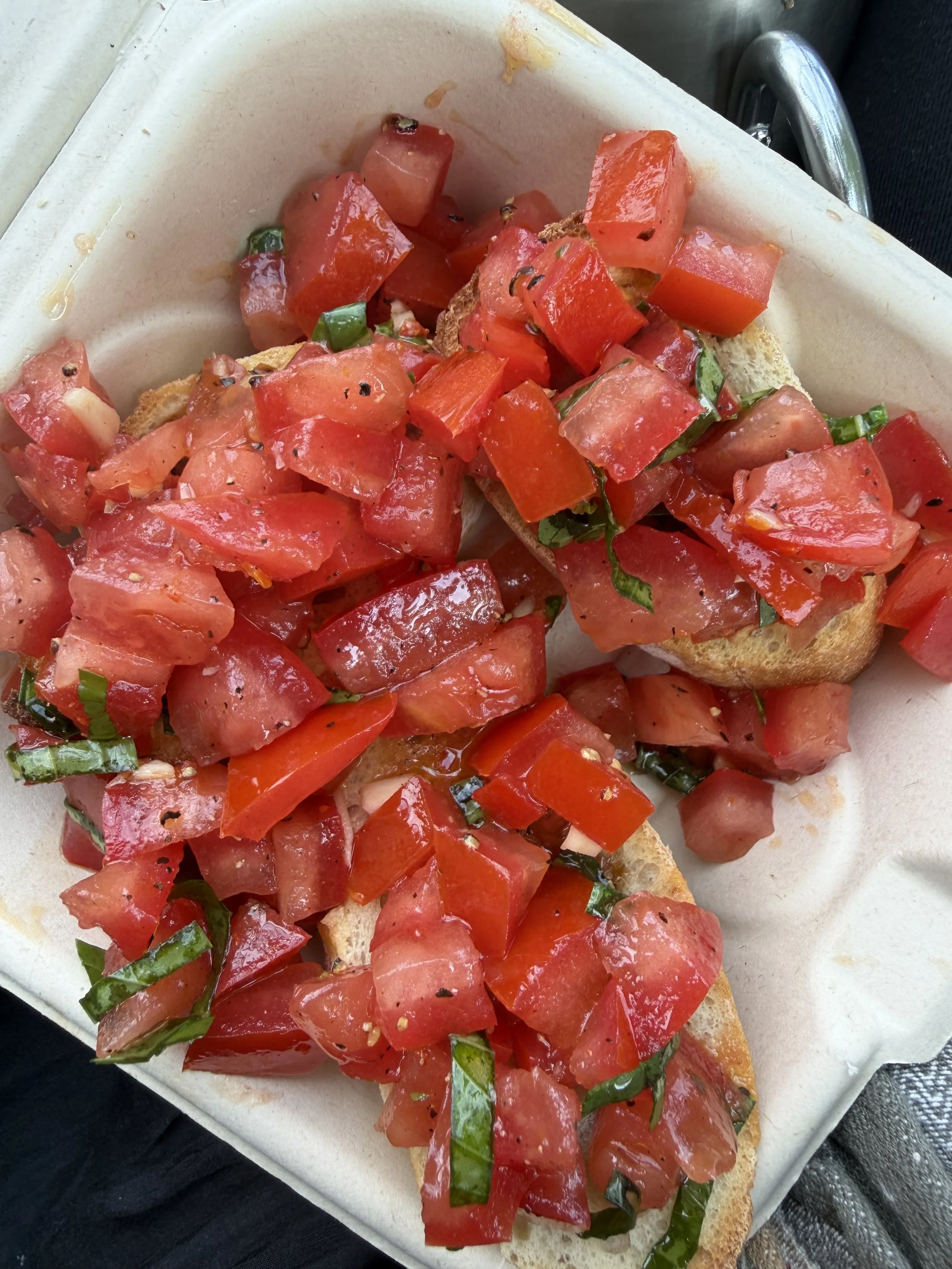
8. Pesto has many uses: in place of tomato sauce on pizza, as a pasta sauce, as a part of bruschetta, dipping sauce for roasted vegetables, and more.